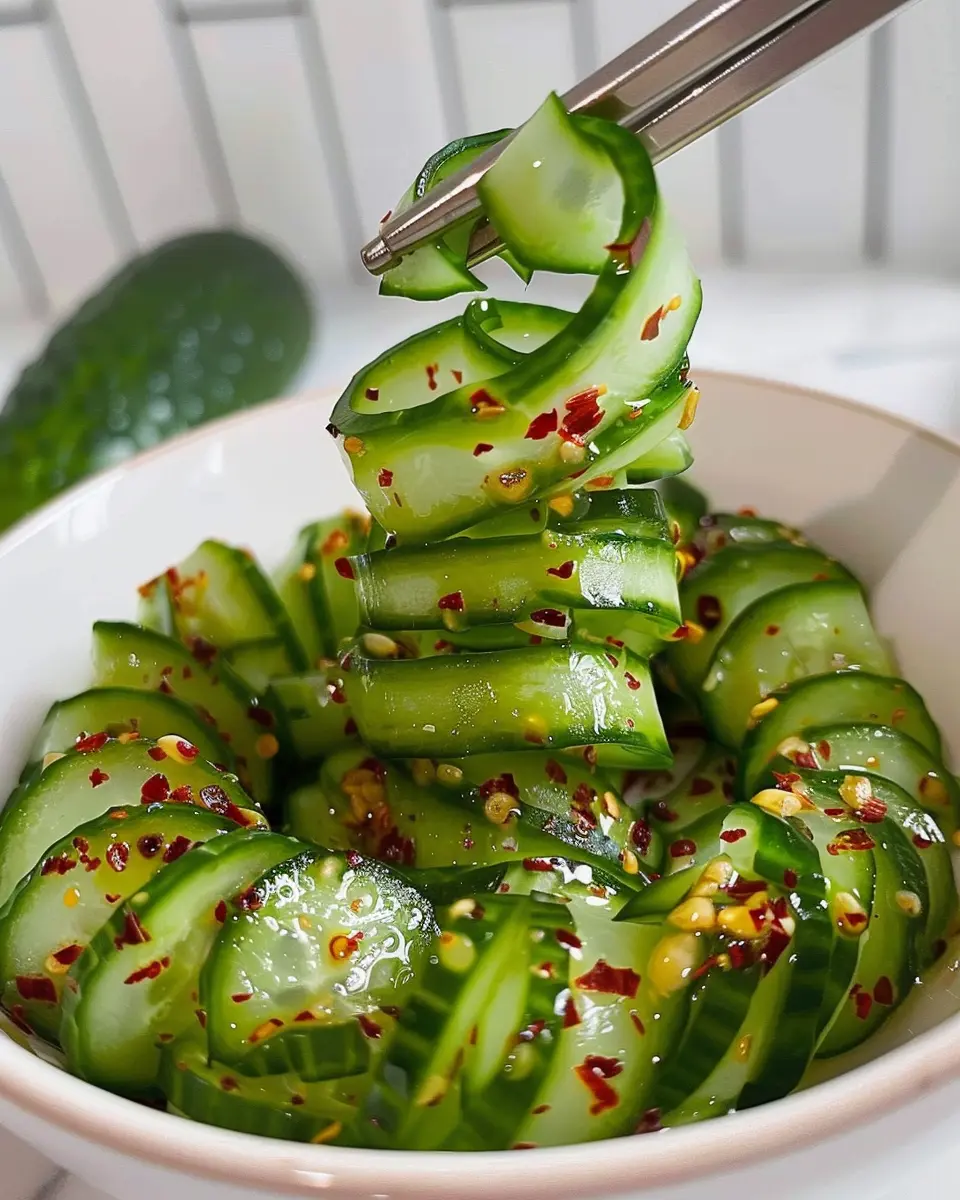

Introduction to Winter Salad
As the temperatures drop and the days grow shorter, a winter salad becomes a refreshing alternative to heavier comfort foods. This dish is more than just greens; it’s about incorporating seasonal ingredients that are both delicious and nourishing. Winter salads can be your go-to meal, especially for young professionals navigating busy schedules.
Why Winter Salads Are Perfect for Young Professionals
For those bustling through the workweek, finding quick, nutritious meal options can be a challenge. Winter salads provide a perfect solution with their hearty components and easy preparation. Here’s why they’re particularly well-suited for young professionals:
-
Nutrient-Dense Ingredients: Winter salads typically include ingredients like kale, roasted squash, and Brussels sprouts, packed with vitamins and minerals. According to the USDA, these vegetables are not just nourishing; they can boost your energy levels during those long office hours.
-
Versatility: One of the best parts about a winter salad is its adaptability. You can mix and match ingredients based on what’s available or what you’re craving. Whether you toss in some grilled chicken ham, turkey bacon, or a generous scoop of quinoa, the options are virtually endless.
-
Effortless Meal Prep: With a bit of planning, you can whip up a week’s worth of salads in advance. Spend a couple of hours on the weekend chopping veggies, cooking proteins, and preparing dressings. Package them in containers, and you’ll have quick grab-and-go meals ready for the workweek!
-
Great Flavor: Don’t underestimate the taste! A well-prepared winter salad can be a blend of textures and flavors, from crunchy nuts to creamy dressings. Top it off with a zesty vinaigrette made from apple cider vinegar for that extra zing.
By embracing winter salads, you can simplify meal prep while ensuring you eat healthily. They offer the warmth of comfort foods through the inclusion of roasted veggies and hearty grains, without compromising on nutrition. As the season calls for more winter-inspired dishes, keep your meals vibrant and satisfying with a hearty, delicious winter salad. Ready to get started? Let’s dive into the recipes that bring these concepts to life!
Ingredients for Winter Salad
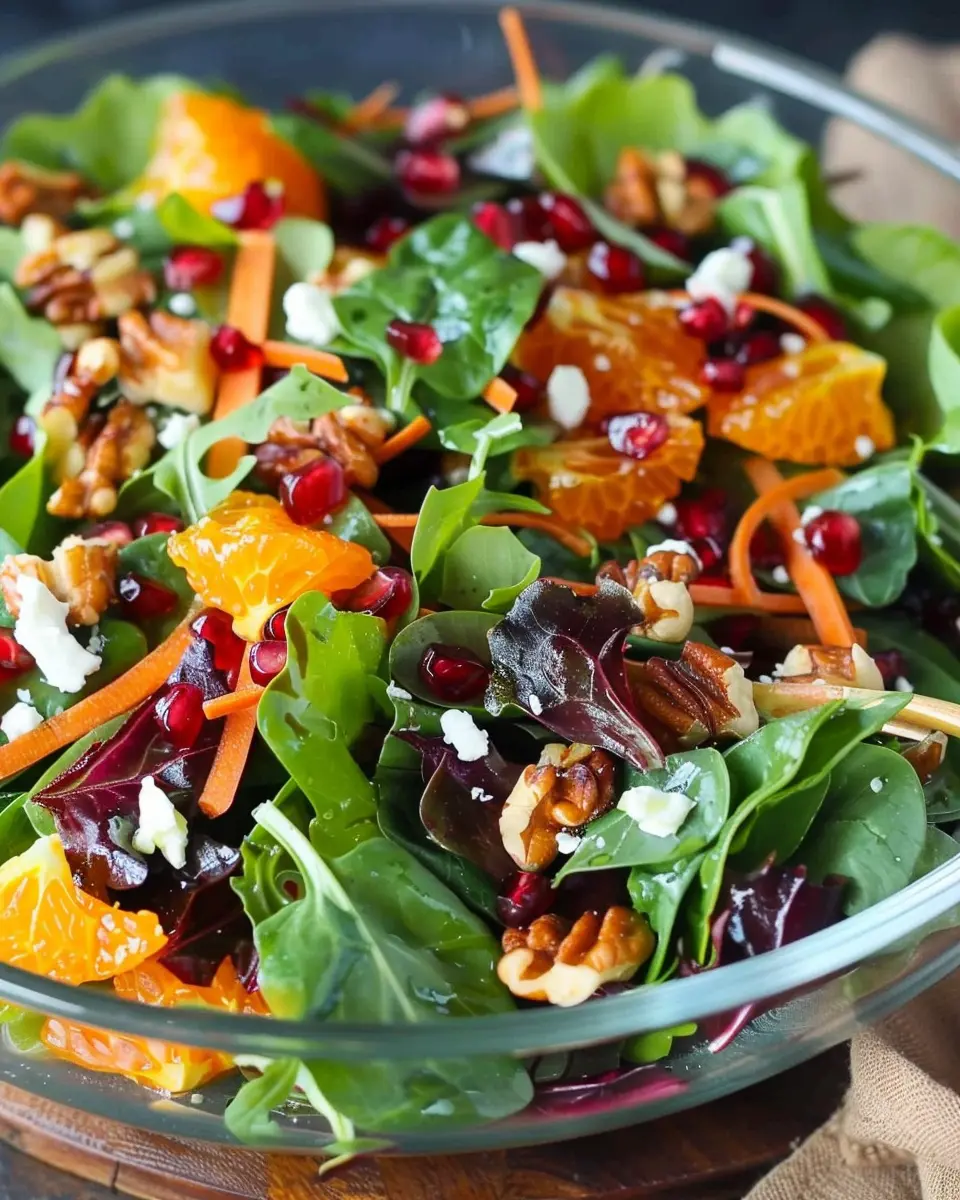
Fresh Ingredients for a Festive Flavor
Crafting a winter salad is all about embracing the season’s bounty while keeping it fresh and vibrant. Let’s dive into some essential ingredients to make your salad not just a side, but the star of your winter meals.
-
Mixed Greens: Start with a base of baby spinach, arugula, or kale. These leafy greens are nutrient-dense and add a crisp texture.
-
Roasted Vegetables: Think sweet potatoes or Brussels sprouts. Roasting enhances their natural sweetness and flavor, creating a heartwarming contrast to the greens.
-
Fruits: Add slices of juicy oranges or pomegranate seeds for a burst of freshness and vibrant color. These fruits not only brighten the dish but also provide a healthy dose of vitamin C.
-
Turkey Bacon or Chicken Ham: For those who enjoy a protein boost, crispy turkey bacon pieces or savory chicken ham will add a delightful crunch.
-
Nuts and Seeds: Toss in some toasted walnuts or pumpkin seeds for a satisfying crunch and extra healthy fats.
Incorporate these ingredients for a fantastic winter salad that’s both nutritious and festive. Ready to customize? You can explore seasonal vegetables from LocalHarvest to elevate your culinary creations.
Preparing Winter Salad
Creating a delightful winter salad can be a refreshing break from heavy holiday meals. This vibrant dish is not only visually appealing but packs a punch when it comes to flavor. Let’s break it down into simple steps, making the preparation effortless and enjoyable. Ready? Let’s get started!
Gather Your Ingredients
To prepare a stunning winter salad, you’ll want to collect the following ingredients:
- Greens: Choose a mix of kale, spinach, and arugula for a balanced texture and flavor.
- Fruit: Opt for seasonal options like sliced pears, pomegranate seeds, or oranges for a burst of sweetness.
- Vegetables: Roasted Brussels sprouts, carrots, and beets add earthiness and warmth.
- Protein: Incorporate lean protein like grilled chicken ham or crispy turkey bacon to make the salad heartier.
- Nuts & Seeds: Walnuts, pecans, or sunflower seeds provide a satisfying crunch.
- Cheese: Crumbled goat cheese or feta enhances the salad with creamy richness.
- Herbs: Fresh herbs such as parsley or cilantro can elevate the flavor profile.
Take a moment to check your pantry for any of these ingredients. You might even find inspiration by browsing sites like Bon Appétit for seasonal produce recommendations that suit your taste.
Prepare the Salad Mixture
Once you have everything you need, it’s time to prep! Start by rinsing your greens and letting them dry thoroughly. You can use a salad spinner to save time. Next, roast your Brussels sprouts and beets; simply toss them in olive oil, sprinkle with salt, and roast at 400°F for about 25 minutes until tender and caramelized. The warmth from these veggies will help to slightly wilt the greens and make everything wonderfully harmonious.
While those are roasting, chop your other veggies and slice the fruit. Think about how the colors combine, aiming for an eye-catching mix. Remember, we eat with our eyes first!
Whisk Together the Homemade Dressing
A salad is only as good as its dressing, right? Rather than reaching for store-bought versions, let’s whip up a simple homemade vinaigrette. Here’s how:
- Ingredients:
- 1/4 cup olive oil
- 2 tablespoons apple cider vinegar
- 1 teaspoon Dijon mustard
- Salt and pepper to taste
- Steps:
- In a small bowl or jar, combine the olive oil, apple cider vinegar, and Dijon mustard.
- Whisk or shake until smooth.
- Don’t forget to taste! Adjust the seasoning as needed.
Homemade dressings not only taste better, but they also allow you to control the ingredients more effectively. You can even add some honey or maple syrup to balance the tanginess if you prefer a sweeter touch.
Combine and Toss the Salad
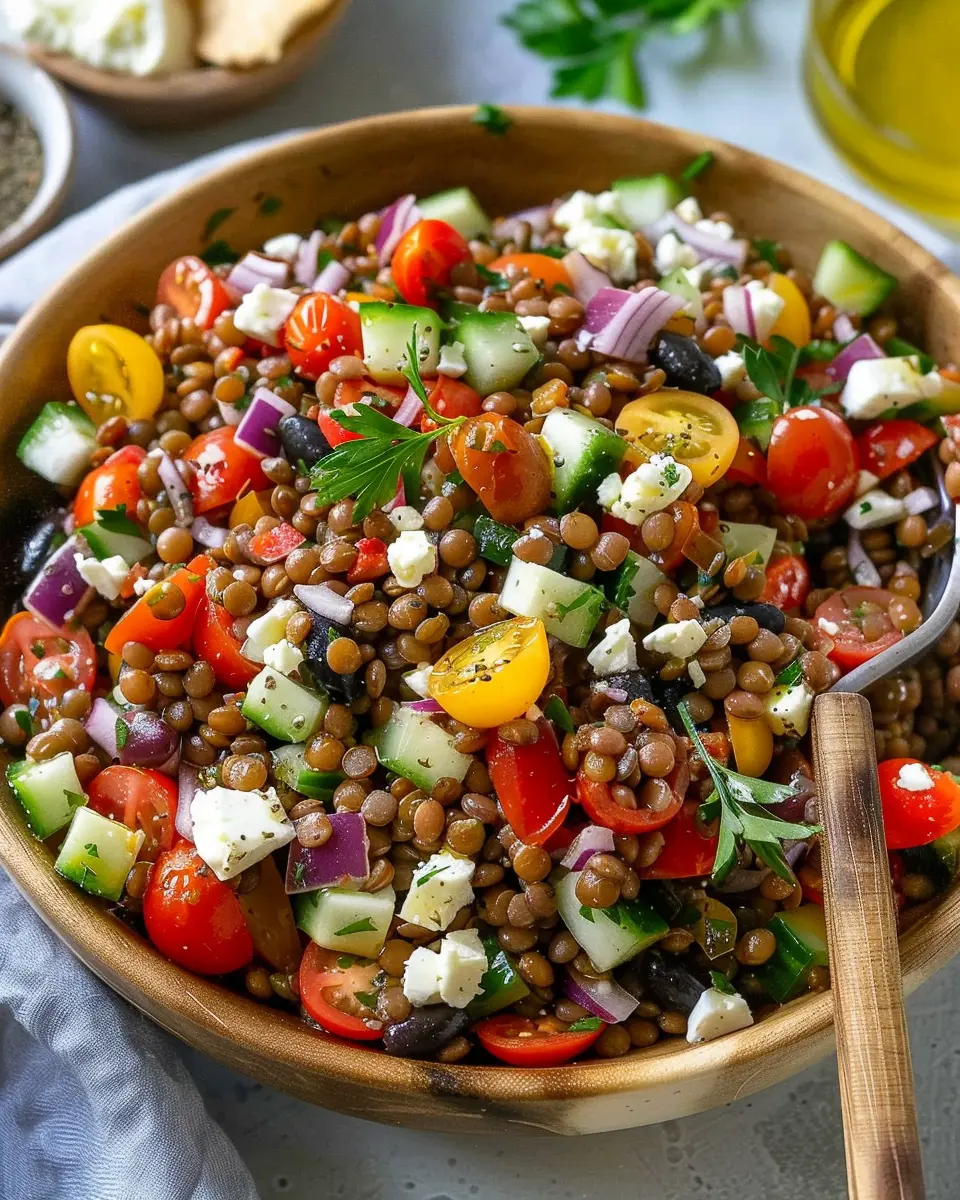
Now that you have your ingredients and dressing ready, it’s time to bring everything together. In a large salad bowl, start with your greens as the base, then layer on those roasted veggies, fresh fruit, protein (chicken ham or turkey bacon), and any nuts and cheese.
Drizzle your homemade dressing over the top, but start with just half. You can always add more later to avoid overdressing. With clean hands or salad tongs, gently toss everything together until well-coated and mixed.
Serve and Enjoy!
Finally, it’s time to enjoy your beautiful winter salad! Serve it immediately for the freshest taste, garnishing with extra nuts, seeds, or herbs for that extra flair. This winter salad is perfect as a light main dish or a side for your winter gatherings.
Don’t be afraid to get creative — adjust the ingredients based on your preferences or what you have on hand. Quality salads often come from experimentation and personalization. So, what will your winter palette look like?
This warming, nutritious salad will keep you energized and satisfied during those chilly months. Happy cooking!
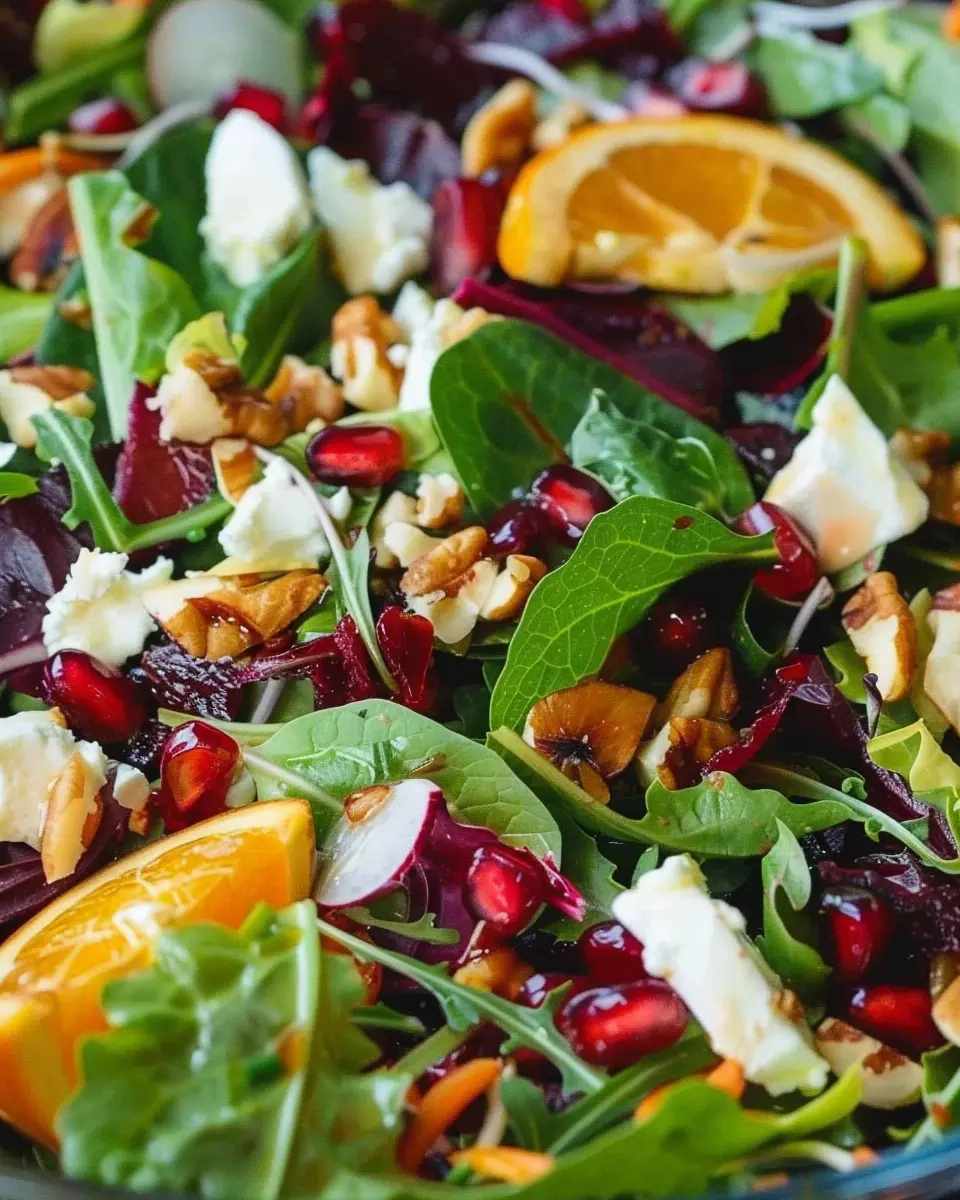
Variations on Winter Salad
When it comes to winter salad, there are countless ways to elevate this hearty dish, making it a staple during the colder months. Let’s delve into some fun variations to customize it to your taste!
Adding Protein: Grilled Chicken or Turkey Bacon
If you’re looking to pump up the protein in your winter salad, grilled chicken or turkey bacon are fantastic options. Grilled chicken adds a lean, flavorful punch, while crispy turkey bacon introduces a delightful crunch. To prepare:
- Grilled Chicken: Simply marinate chicken breast in olive oil, lemon juice, and your favorite herbs. Grill until it achieves those perfect char marks. Slice and toss on top of your salad for that protein boost.
- Turkey Bacon: Cook turkey bacon until crispy in a skillet. Chop it into bite-sized pieces and sprinkle over your salad. Not only will it impart a savory flavor, but it also offers that familiar comfort of a classic favorite.
Feel free to explore other protein sources, such as chickpeas or quinoa, for a healthier alternative too!
Going Vegan: Leave Out the Cheese
For those who prefer a plant-based option, leaving out the cheese in your winter salad can still lead to a delicious meal. Instead of cheese, consider these substitutes:
- Nuts or Seeds: Almonds, walnuts, or sunflower seeds add crunch and healthy fats.
- Avocado: This creamy fruit not only enhances flavor but also provides essential nutrients.
Don’t forget to load up on seasonal veggies—think roasted Brussels sprouts or butternut squash, which can enhance the heartiness of your winter salad.
Transforming your winter salad doesn’t have to be complicated. With these variations, you can constantly reinvent this dish and keep it exciting throughout the season! For more ideas on winter salads, head over to BBC Good Food for inspiration.
Cooking Tips and Notes for Winter Salad
Freshness Matters: Choosing the Best Ingredients
When it comes to crafting the perfect winter salad, the freshness of your ingredients can make all the difference. Opt for seasonal veggies such as kale, Brussels sprouts, and root vegetables, which not only add a robust flavor but are also packed with nutrients. Local farmer’s markets or organic grocery stores can be excellent sources for these ingredients—around 90% of produce from these venues is often fresher than what you’ll find at larger supermarkets.
Don’t forget to consider the protein! Turkey bacon and chicken ham are fantastic additions that add warmth to your salad. Pair them with nuts or seeds for that crunchy texture—walnuts and pumpkin seeds are great choices.
Make-Ahead Tips for Busy Weeknights
If your schedule is tight, consider prepping your winter salad components in advance. Chop your veggies and store them in airtight containers in the fridge. This way, you can easily toss everything together after a long day. For an extra twist, consider making a simple dressing using olive oil and lemon juice that can be whipped up in just a few minutes. Being organized not only saves you time but also ensures you have a delicious meal ready in no time!
For more ideas on creating salads that work for your busy lifestyle, check out EatingWell’s guide for quick meal prep tips.
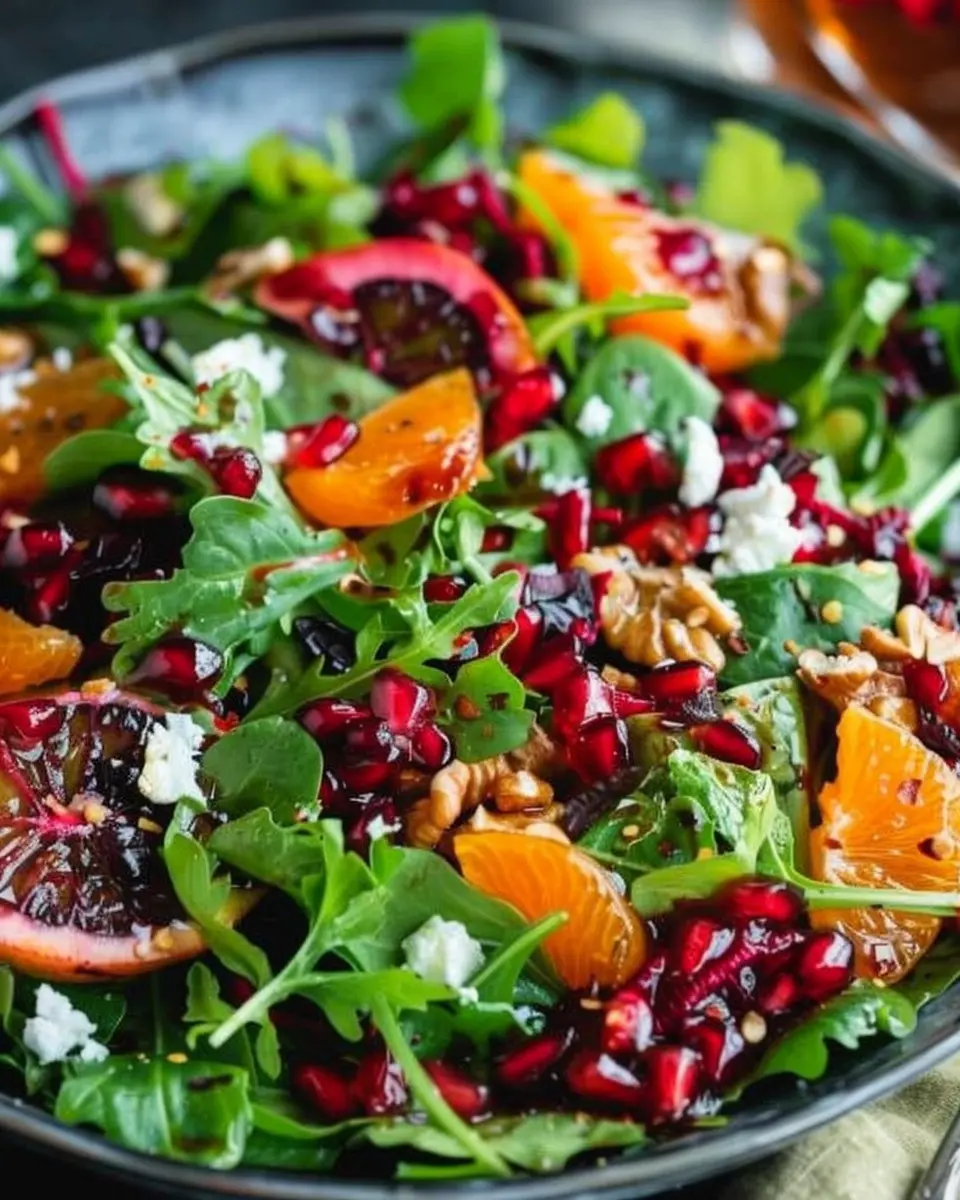
Serving Suggestions for Winter Salad
Ideal Pairings for Your Winter Salad
When enjoying your winter salad, think about adding ingredients that complement its fresh flavors. Here are a few delicious pairing suggestions:
- Proteins: Consider topping your salad with Turkey Bacon for a savory crunch, or some slices of Chicken Ham for a heartier option. If you want a plant-based protein, roasted chickpeas can add a great texture.
- Cheeses: Feta or goat cheese can elevate your salad’s taste with creamy tanginess. It’s a wonderful contrast to the crisp greens!
- Nuts & Seeds: Walnuts or sunflower seeds not only offer a satisfying crunch but also pack in healthy fats.
Presentation Tips for a Beautiful Holiday Table
Creating a stunning presentation can enhance the dining experience. Here’s how to make your winter salad visually appealing:
- Layered Presentation: Try arranging your ingredients in separate layers in a clear bowl for an eye-catching display. The varied colors and textures will draw your guests in.
- Garnishes: Finishing touches like pomegranate seeds or a sprinkle of fresh herbs can add a festive flair.
- Serving Vessel: Choose a modern or rustic salad bowl that complements your table setting or holiday decor.
Incorporating these elements ensures your winter salad not only tastes fantastic but also looks delicious. If you’re looking for more tips on healthy eating during the holidays, check out Healthline.
Time Breakdown for Winter Salad
Preparation Time
Getting your winter salad ready is a breeze! You’ll spend about 15–20 minutes gathering fresh ingredients like kale, carrots, and your choice of proteins such as turkey bacon or chicken ham. Don’t forget to wash and chop everything—this step brings your vibrant salad to life.
Total Time
In total, you’re looking at around 30 minutes from start to finish. Whether you’re meal-prepping for the week or hosting a cozy dinner, this quick time investment ensures you can enjoy a nutritious meal without the fuss. It’s perfect for those busy weeknights or when unexpected guests drop in.
If you’re on the hunt for more seasonal inspiration, check out resources like the USDA Fruits and Vegetables for the best local produce options. Happy chopping!
Nutritional Facts for Winter Salad
When it comes to keeping warm during those chilly months, a hearty winter salad can be both satisfying and nutritious. This delightful meal typically clocks in around 350-450 calories per serving, making it a balanced choice for lunch or dinner.
Calories
- A typical serving of winter salad is approximately 350-450 calories. This varies based on ingredients like Turkey Bacon and Chicken Ham, which add flavor and protein.
Nutrients: Fiber, Protein, and Fats
- Fiber: Enjoy 6-8 grams per serving, packed with leafy greens, nuts, and fruits that keep your digestion on track.
- Protein: With protein sources such as Turkey Bacon and Chicken Ham, you’ll get about 20-30 grams, essential for muscle recovery and energy.
- Fats: Healthy fats from olive oil or avocado contribute around 15-25 grams, supporting heart health.
Curious about what these nutrients do for your body? For a deeper understanding, check out this guide on dietary fiber or this informative article on protein’s benefits. Incorporating a winter salad into your menu is a delicious way to nourish yourself this season!
FAQs about Winter Salad
Winter salads are one of the brightest spots in a cold season—fresh, flavorful, and packed with nutrients. If you’re curious about making the best of this delightful dish, read on for common questions!
Can I substitute any of the salad ingredients?
Absolutely! One of the beauties of a winter salad is its versatility. If you don’t have Turkey Bacon on hand, try crispy chickpeas or roasted nuts for a satisfying crunch. Feel free to swap Chicken Ham with your favorite deli meat or even some grilled tofu for a vegetarian option. If a specific leafy green is not available, mix in hearty options like kale or Swiss chard. Customizing a salad to your taste is part of the fun! For more tips on ingredient substitutions, check out this guide from Cooking Light for the best practices.
How long can I store leftover salad?
Leftover winter salad can be a life-saver for busy weeknights! If stored in an airtight container in the fridge, it should stay fresh for about 3 days. However, if your salad has a dressing, consider keeping it separate until you’re ready to eat to avoid sogginess. To ensure freshness, consume it within this timeframe, and check out FoodSafety.gov for more storage tips.
What can I add for more texture?
Great question! A winter salad can be made even more appealing by adding diverse textures. Consider these options:
- Crunchy toppings: Add nuts like almonds or walnuts, or seeds such as sunflower or pumpkin.
- Creamy elements: Crumbled feta or goat cheese brings a lovely creaminess that balances crunch.
- Dried fruits: A handful of cranberries or apricots adds a sweet chewiness that pairs beautifully with savory ingredients.
Experimenting with textures will elevate your winter salad and create a more enjoyable dining experience! Remember, it’s about finding what you love. Happy salad-making!
Conclusion on Winter Salad
Embracing Healthy Eating this Winter
As the temperatures drop, it’s easy to crave comfort food, but a winter salad proves that healthy eating doesn’t have to be dull. Packed with seasonal ingredients like roasted root vegetables, hearty greens, and a delicious burst of flavors from toppings like Turkey Bacon or Chicken Ham, this salad can be both nourishing and satisfying.
Why not make a simple switch to a winter salad? Did you know that incorporating more vegetables into your diet can enhance your mood and energy levels during the colder months? With a variety of textures and tastes, you’ll find yourself excited to indulge in wholesome fare. So, gather your favorite seasonal produce, and enjoy a bowl of vibrant health this winter! For more ideas on nutritious eating, check out the USDA’s MyPlate.
PrintWinter Salad Delight: Easy Recipe with Turkey Bacon and Chicken Ham

A delightful winter salad that combines the savory flavors of turkey bacon and chicken ham.
- Prep Time: 15 minutes
- Cook Time: 10 minutes
- Total Time: 25 minutes
- Yield: 4 servings 1x
- Category: Salad
- Method: Tossing
- Cuisine: American
- Diet: Low Carb
Ingredients
- 4 cups mixed greens
- 6 slices turkey bacon, cooked and crumbled
- 1 cup diced chicken ham
- 1/2 cup cherry tomatoes, halved
- 1/4 cup red onion, thinly sliced
- 1/4 cup walnuts, chopped
- 1/4 cup feta cheese, crumbled
- 1/4 cup balsamic vinaigrette
Instructions
- In a large bowl, combine the mixed greens, turkey bacon, chicken ham, cherry tomatoes, red onion, and walnuts.
- Drizzle with balsamic vinaigrette and toss gently to coat.
- Top with feta cheese and serve immediately.
Notes
- Feel free to add any seasonal vegetables for additional flavor.
Nutrition
- Serving Size: 1 cup
- Calories: 250
- Sugar: 2g
- Sodium: 600mg
- Fat: 16g
- Saturated Fat: 3g
- Unsaturated Fat: 9g
- Trans Fat: 0g
- Carbohydrates: 10g
- Fiber: 3g
- Protein: 20g
- Cholesterol: 30mg
Keywords: Winter Salad, Turkey Bacon, Chicken Ham, Easy Recipe