Introduction to Vegetable Casserole
When it comes to creating a meal that suits both busy lifestyles and healthy eating goals, vegetable casseroles top the list. Not only are these dishes quick to prepare, but they also pack a delightful punch of flavor and nutrition. So why should you consider adding a vegetable casserole to your weekly meal plan? Let’s dive into the benefits!
Why Choose Vegetable Casseroles for Your Meals?
First and foremost, vegetable casseroles are incredibly versatile. You can use a variety of fresh or frozen vegetables, allowing you to switch things up based on seasonal produce or what you have on hand. Perhaps you have leftover zucchini, broccoli, or even sweet potatoes languishing in your fridge. A vegetable casserole provides a perfect opportunity to transform those ingredients into a hearty, satisfying meal.
Additionally, casseroles are a great time-saver for young professionals. With just a few straightforward steps, you can create a dish that often tastes even better after a day in the fridge. Just imagine coming home after a long day knowing a flavorful casserole awaits you, ready to be popped into the oven!
From a nutritional standpoint, incorporating more vegetables into your diet is essential. According to the Centers for Disease Control and Prevention, only about 1 in 10 adults eat enough fruits and vegetables each day. A vegetable casserole can help bridge that gap, ensuring you’re getting a healthy dose of vitamins and minerals. With the right combination of ingredients, you can make a casserole that’s not only nutritious but also meets your dietary preferences—for example, opting for chicken ham or turkey bacon for added protein without compromising on taste.
Moreover, casseroles are perfect for either meal prep or family gatherings. You can easily make a large batch, serving your friends and family or having leftovers for those busy weekdays. Plus, it’s an excellent dish to bring to potlucks or celebrations where everyone loves to share food.
In the following sections, we’ll walk you through a delicious vegetable casserole recipe that’s sure to become one of your favorites. Get ready to embrace the wonder of wholesome cooking!

Ingredients for Vegetable Casserole
Essential ingredients for a hearty casserole
Creating a delicious vegetable casserole is all about the right ingredients. Here’s what you’ll need for a satisfying dish that packs a punch in flavor and nutrition:
-
Fresh Vegetables: Start with a mix of your favorites—zucchini, bell peppers, broccoli, and carrots are fantastic options. They not only add color but are also nutrient-rich!
-
Starch Base: Consider including a base like quinoa, brown rice, or even whole wheat pasta. These options will give your casserole a comforting texture while boosting its fiber content.
-
Cheese: For creaminess, a blend of shredded cheddar and mozzarella works wonders. Not a fan of dairy? Try plant-based cheese alternatives for a vegan-friendly dish.
-
Protein Add-ins: Turkey bacon or chicken ham can add a savory twist that elevates the dish. If you’re looking for a plant-based protein hit, beans or lentils are great substitutes.
-
Seasonings: Don’t forget the spices! Garlic, onion powder, oregano, and thyme can enhance the overall flavor profile.
Remember, the beauty of a vegetable casserole is its versatility. Mix and match as you please! For more tips on nutritious cooking, you might find this resource helpful.
Preparing Vegetable Casserole
Creating a delicious vegetable casserole is a fantastic way to explore your culinary skills while enjoying a nutritious meal. Whether you’re cooking for one or preparing for a gathering, this comforting dish is sure to impress. Let’s walk through the steps together!
Gather and Prep Your Ingredients
Before diving in, take a moment to gather all your ingredients. This prep work ensures a smooth cooking experience and allows you to focus on the flavors rather than the logistics. Here’s what you’ll need:
- Vegetables: Aim for a colorful mix! Use bell peppers, zucchini, carrots, broccoli, or any seasonal veggies you like.
- Base Ingredients: You’ll need onion, garlic, and a good-quality vegetable broth.
- Grains: Cooked rice (brown or white) adds a hearty element.
- Binding Agents: Eggs or egg substitute will help hold everything together.
- Seasoning: Don’t forget salt, pepper, and perhaps some Italian herbs like oregano or basil for a flavor boost.
- Optional: Turkey bacon or chicken ham adds an extra layer of flavor.
Pro tip: Take a moment to chop your vegetables uniformly. This ensures even cooking and makes the casserole visually appealing!
Sauté the Onions and Create the Base
Heating a tablespoon of olive oil in a large skillet over medium heat is where the magic begins. Add your finely chopped onions and sauté until they spiral into tenderness and take on a lovely golden color—about 5 minutes. This step is crucial as it lays the foundation for your vegetable casserole.
Once your onions are ready, toss in minced garlic. The smell is simply uplifting! Cook for an additional minute until fragrant. Garlic can often get bitter if overcooked, so keep an eye on it!
Incorporate the Vegetables and Add Flavors
Now, let’s boost that flavor profile! Add your colorful array of vegetables to the skillet. If you’re using any turkey bacon or chicken ham, this is an excellent time to introduce those as well. Stir everything together, letting the veggies soften—around 8-10 minutes will do. Use a wooden spoon to scrape up any flavorful brown bits that have started to form on the bottom of the pan; this enhances development and provides rich flavor.
As it cooks, season with salt and pepper, plus any dried herbs you love. Did you know that herbs not only add flavor but also provide health benefits? For instance, basil is known for its anti-inflammatory properties. Check out this health benefits article for more insights.
Mix in the Rice and Egg for Texture
Once your vegetables are tender and full of flavor, it’s time to introduce the cooked rice. Gently stir it into the mixture until it’s evenly distributed. This comforting grain will give your vegetable casserole the body it needs.
Next, crack in your eggs, stirring quickly to combine all ingredients. If you’re vegan or looking to reduce cholesterol, consider using a whisked flaxseed or commercial egg replacement. This will help bind everything together—trust me, you don’t want a crumbly casserole!
Assemble and Prepare for Baking
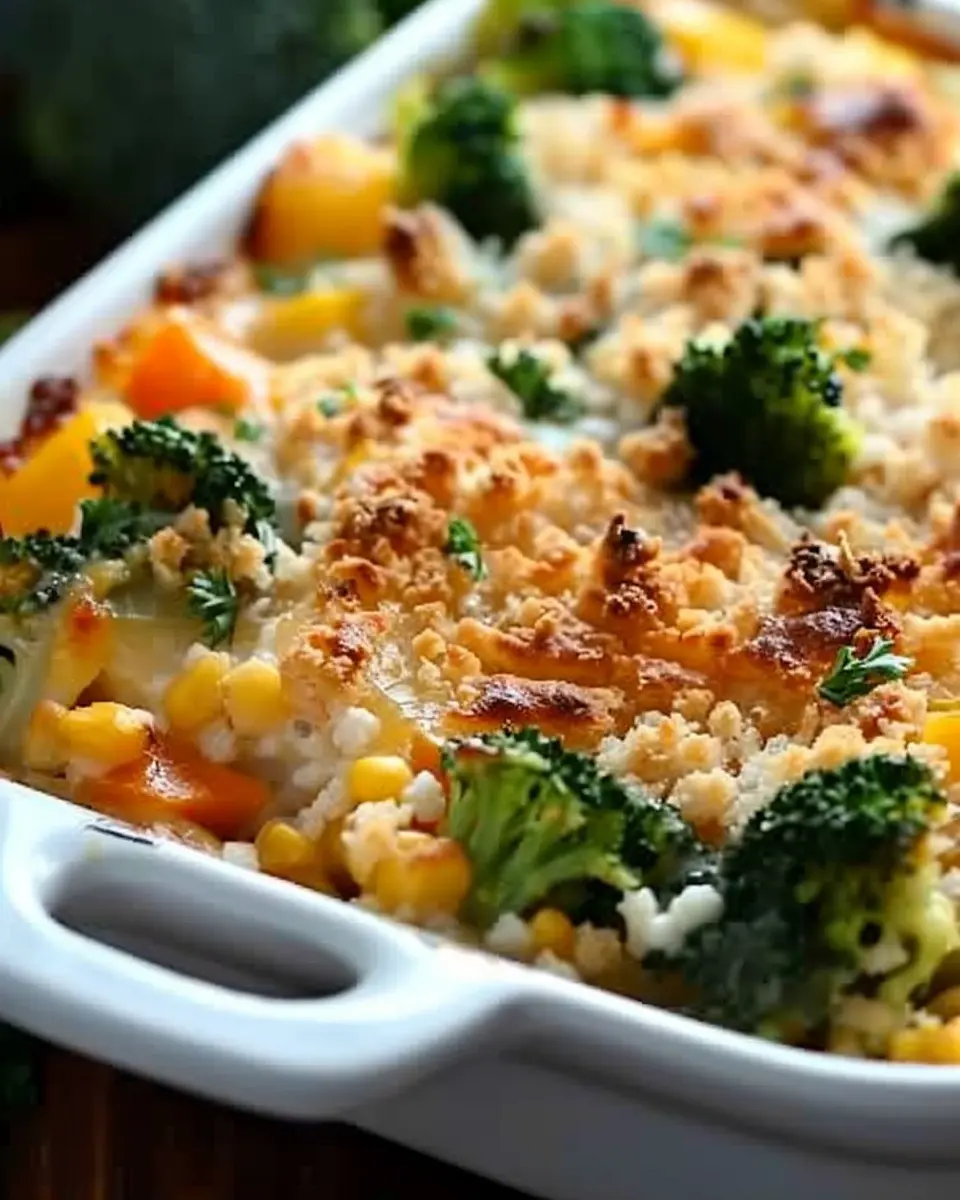
Now comes the fun part! Transfer your lively mixture into a greased casserole dish. Spread it out evenly, creating a beautiful layer. For an extra kick, sprinkle some cheese on top—grated cheddar or mozzarella works wonders! If you’re avoiding dairy, nutritional yeast is an excellent vegan alternative that adds a cheesy flavor.
Bake to Perfection
Preheat your oven to 350°F (175°C). Cover your casserole dish with foil—this helps keep the moisture in. Bake for approximately 25-30 minutes. After the initial baking period, remove the foil and allow it to bake an additional 10 minutes until the top golden and bubbly.
This final step ensures that every bite of your vegetable casserole is not only delicious but beautifully textured. You can serve it hot right out of the oven, and the leftovers (if there are any!) are even better the next day!
By following these steps, you’re set to create a wholesome meal that’s great for any occasion. Enjoy your cooking adventure!

Variations on Vegetable Casserole
Add Your Favorite Seasonal Vegetables
One of the best things about a vegetable casserole is its versatility! You can mix and match seasonal vegetables to suit your taste, making it an ideal dish year-round. For a spring twist, consider adding fresh asparagus, peas, or zucchini. In the fall, root vegetables like sweet potatoes, carrots, and squash work beautifully. Don’t hesitate to experiment with leafy greens like spinach or kale for added nutrition.
If you’re looking for inspiration, check out your local farmer’s market to see what’s in season. Fresh, local produce not only tastes better, but it’s also packed with nutrients, as supported by studies from the USDA.
Experiment with Different Cheeses and Toppings
Cheese lovers, rejoice! The vegetable casserole can be elevated with a variety of cheesy delights. From creamy mozzarella to sharp cheddar or even tangy feta, each cheese can bring its own personality to the dish. For a Mediterranean flair, try mixing in crumbled feta and olives, while a blend of mozzarella and parmesan can add a delightful gooey finish.
But don’t stop with cheese! Toppings like breadcrumbs, crushed nuts, or even a sprinkle of nutritional yeast can create that satisfying crunch. Health experts often recommend adding seeds or nuts for a protein boost, focusing on healthy fats to complement the dish.
So, go ahead and get creative! Your vegetable casserole can be a new culinary adventure every time you make it. For more inspiration on toppings and ingredients, try exploring resources like Forks Over Knives to expand your recipe repertoire.
Cooking Tips and Notes for Vegetable Casserole
Creating a delightful vegetable casserole doesn’t have to be complicated. Here are some best practices to enhance the flavors and textures in your dish:
-
Choosing Fresh Vegetables: Opt for seasonal veggies when possible. They not only taste better but are often more nutritious. Find tips on selecting fresh produce from EatFresh.org.
-
Layer for Flavor: Think of your casserole as a layered masterpiece. Start with a base of sautéed onions or garlic for a flavor boost, then alternate layers of vegetables for variety.
-
Go Cheesy: A sprinkle of grated cheese can elevate your dish. Try a mix of sharp cheddar and mozzarella for a rich, gooey topping.
-
Texture Matters: For added crunch, consider mixing breadcrumbs or crushed nuts into the topping. This contrast complements the soft veggies beautifully.
-
Make Ahead: Preparing your casserole a day in advance allows the flavors to meld together. Just bake it when you’re ready!
Experimenting with different herbs and spices will make your vegetable casserole unique to your taste, so don’t hesitate to get creative!
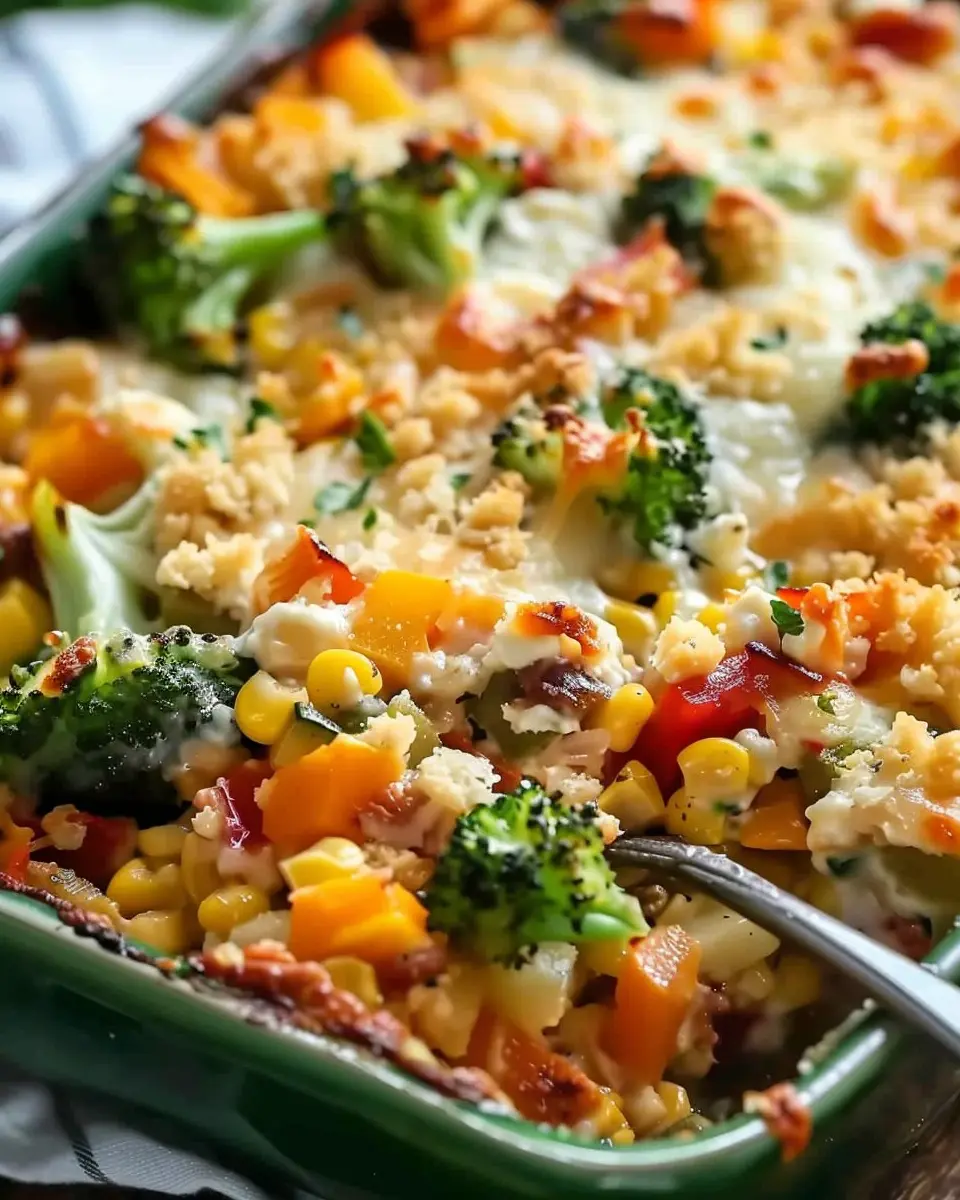
Serving suggestions for Vegetable Casserole
Pairing ideas for your casserole dish
Serving a delightful vegetable casserole opens up endless possibilities for side dishes and accompaniments. Here are some tasty ideas to elevate your meal:
-
Savory Grains: Pair your casserole with a serving of fluffy quinoa or brown rice for a hearty and healthy side. These grains not only add texture but also complement the flavors of the veggies beautifully.
-
Simple Salad: Consider a fresh garden salad drizzled with a light lemon vinaigrette. The crisp greens provide a refreshing contrast to the rich casserole, making each bite a delightful experience.
-
Protein Options: For those looking to increase protein intake, serve alongside grilled chicken breast or slices of turkey bacon. Both options add a satisfying kick without overshadowing the flavors of your vegetable casserole.
-
Breads: Serve warm, crusty bread, such as sourdough or a baguette. This is perfect for soaking up any leftover sauce from your dish.
Have you tried any of these pairings before? They can really transform your meal from ordinary to extraordinary. For more inspiration, check out this guide to perfect sides.
Time breakdown for Vegetable Casserole
When you’re in the mood to whip up a delicious vegetable casserole, it’s helpful to know how much time you’ll need. Here’s a quick breakdown to keep you on track:
Preparation time
To get everything ready, you’ll spend about 15 minutes chopping and prepping your veggies and other ingredients. This is the fun part where you can channel your inner chef!
Cooking time
Once you’ve got your casserole assembled, pop it in the oven for 45 minutes. This is when the flavors meld and create that mouthwatering aroma that fills your kitchen.
Total time
All in all, you’re looking at about 1 hour for this whole process from start to finish. In no time, you’ll have a comforting vegetable casserole that’s perfect for busy weeknights or potluck gatherings.
For more tips on meal prepping, check out this guide. Cooking can be a breeze with a little organization!
Nutritional facts for Vegetable Casserole
Key nutritional highlights
When you dig into a vegetable casserole, you’re not just savoring a delicious meal; you’re also fueling your body with a variety of essential nutrients. Packed with vibrant vegetables, this dish provides a healthy dose of vitamins A and C, along with significant fiber and antioxidants. A standard serving often contains around:
- Calories: Approximately 200
- Protein: 10 grams
- Fat: 5 grams
- Carbohydrates: 30 grams
These figures can vary based on the veggies and extras you include, like lean turkey bacon or chicken ham, making it a versatile choice!
Serving size details
A typical serving size of vegetable casserole is around 1 cup, perfect for a hearty meal alongside some whole grain bread or a side salad. This portion keeps things balanced—enough to satisfy without overwhelming your plate. Plus, with the abundance of veggies, you get to enjoy a guilt-free indulgence!
For more detailed nutritional guidelines, check out resources like the USDA FoodData Central or Nutrition.gov. They offer comprehensive insights to help you tailor your meals to fit your dietary needs.
FAQs about Vegetable Casserole
Can I make this casserole ahead of time?
Absolutely! Preparing your vegetable casserole in advance is a fantastic time-saver. Simply assemble your ingredients in a baking dish and store it in the fridge for up to 24 hours before baking. If you want to prepare it earlier, you can freeze it for up to three months. Just thaw it overnight in the fridge before baking, and you’ll have a delicious and comforting meal ready to go!
How do I store leftovers?
Storing leftovers is easy and helps reduce food waste. Once you’ve enjoyed your vegetable casserole, let it cool to room temperature. Transfer any remaining portions to an airtight container, and it can last in the fridge for about three to four days. For longer storage, consider freezing individual servings; just make sure to use freezer-safe containers or bags.
What are some creative ingredient swaps?
One of the great things about a vegetable casserole is its versatility! Here are a few ingredient swaps to consider:
- Vegetables: Swap out green beans for asparagus, or add some colorful bell peppers for extra crunch.
- Cheese: Try using mozzarella instead of cheddar for a milder taste, or a dairy-free cheese for a vegan version.
- Proteins: Substitute chicken ham with turkey bacon or even chickpeas for a plant-based protein boost.
Feel free to get creative—you can check out more tips on how to customize your casserole over at The Kitchn for inspiration!
Whether you’re preparing it for a family dinner or a cozy gathering with friends, knowing these tips can elevate your vegetable casserole experience. Enjoy your cooking adventure!
Conclusion on Vegetable Casserole
Why this dish is a must-try for young professionals
In the fast-paced world of young professionals, finding meals that are both convenient and nourishing can be a challenge. This vegetable casserole stands out for its ability to offer a hearty, wholesome option that aligns perfectly with busy lifestyles. Not only is it simple to prepare, but it also provides a balanced mix of nutrients, thanks to the colorful array of vegetables.
Imagine coming home after a long day and pulling a warm casserole out of the oven—it’s a comforting embrace in a dish! Plus, it’s a flexible recipe, allowing you to incorporate whatever seasonal veggies you have on hand. It’s the perfect way to reduce food waste and save money, a win-win for those navigating the nuances of adult life. So why not give this vegetable casserole a try? Your taste buds and wallet will thank you!
For more tips on quick meal prep, check out resources from ChooseMyPlate.gov or EatingWell.
PrintVegetable Casserole: Easy, Comforting Meal for Every Palate

A delicious and satisfying vegetable casserole that is perfect for any meal.
- Prep Time: 15 minutes
- Cook Time: 35 minutes
- Total Time: 50 minutes
- Yield: 4 servings 1x
- Category: Dinner
- Method: Baking
- Cuisine: American
- Diet: Vegetarian
Ingredients
- 2 cups mixed vegetables
- 1 cup shredded cheese
- 1 can cream of mushroom soup
- 1 cup milk
- 1 teaspoon garlic powder
- 1 teaspoon onion powder
- 1 teaspoon black pepper
- 1 cup breadcrumbs
Instructions
- Preheat the oven to 350°F (175°C).
- In a large bowl, combine mixed vegetables, soup, milk, and seasonings.
- Pour the mixture into a greased casserole dish.
- Sprinkle cheese and breadcrumbs on top.
- Bake for 30-35 minutes until bubbly and golden.
Notes
- Feel free to customize the vegetables used based on your preference.
- Leftovers can be enjoyed the next day.
Nutrition
- Serving Size: 1 cup
- Calories: 250
- Sugar: 3g
- Sodium: 500mg
- Fat: 10g
- Saturated Fat: 5g
- Unsaturated Fat: 3g
- Trans Fat: 0g
- Carbohydrates: 30g
- Fiber: 4g
- Protein: 12g
- Cholesterol: 25mg
Keywords: Vegetable Casserole